
The Building Run
Every building runs differently
The load is half the job. The other half is your building: the lift that needs booking, the bylaws with opinions about Saturdays, the lobby the neighbours judge. Answer four quick questions and we'll sketch how your run works, in plain words.


Answer the questions above and your run plan writes itself here.
 Here's how your run works
One honest steer: bonded asbestos-era sheeting, chemicals, paint and gas bottles are regulated streams we don't carry. We'll point you to a licensed specialist for those, and happily take everything else in the load. If you're not sure what the old sheeting is, say so when we call; guessing is the one thing nobody should do with it.
Why we plan runs around buildings, not just loads
Most of the suburbs we work in live in apartments. Around three quarters of Double Bay's homes are units, and the neighbours' blocks aren't far behind. In a house, rubbish removal is a driveway job. In a building, it's a shared-property exercise: the lift has a booking sheet, the bylaws set work hours, and everything you carry passes through space that belongs to everyone.
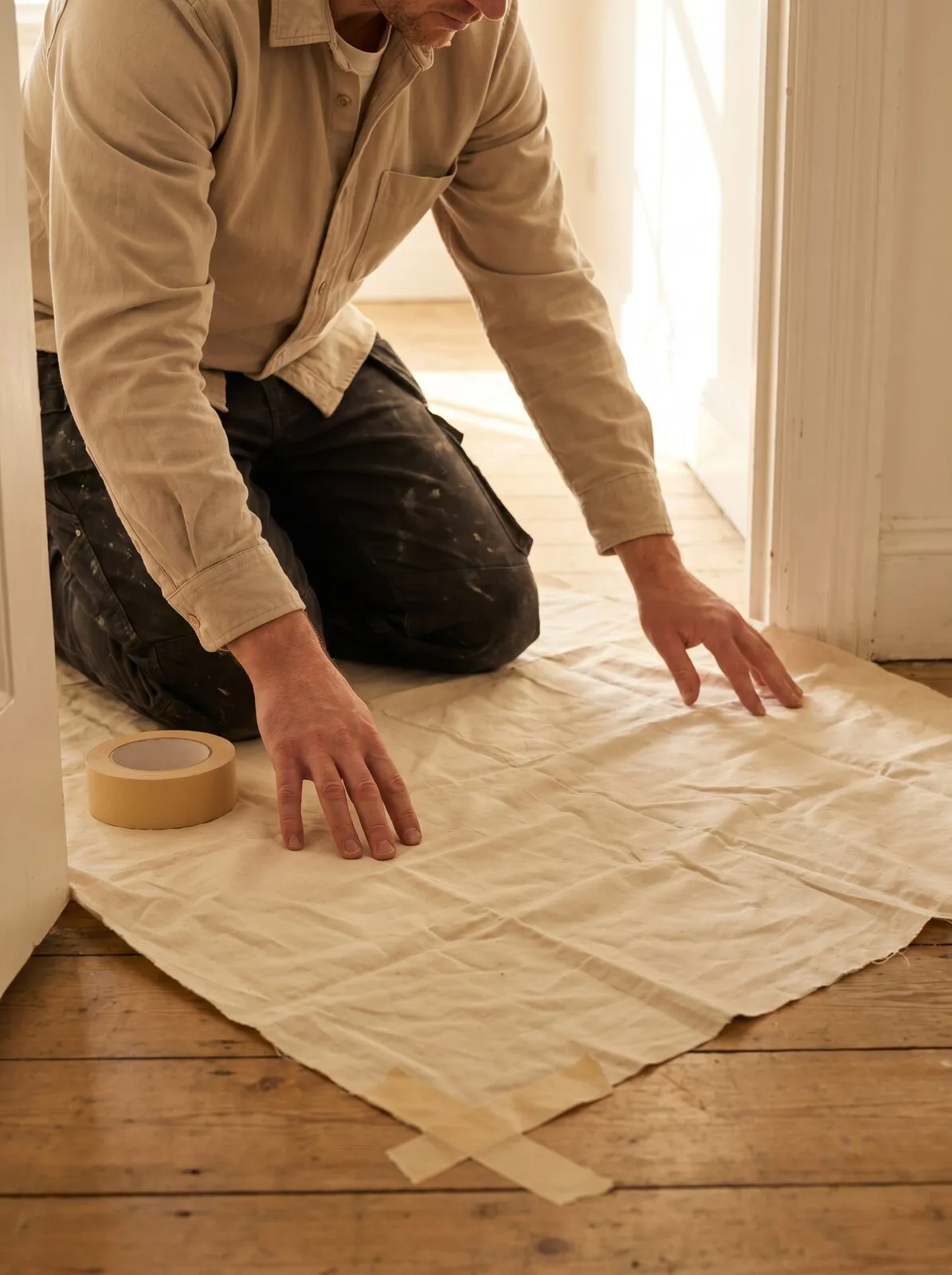
So the plan matters as much as the truck. A run that arrives without a lift booking waits in the loading zone. A load carried over bare marble makes an enemy of a building manager whose goodwill your renovation still needs. We'd rather ask four questions early than cost you an apology later.
The planner gives you the shape of the run. The fixed price comes from us once we've seen or heard the actual job, and it's agreed before anything is lifted. That order never changes.
Ready when the debris is
Tell us what's coming out and which building it's coming out of. We come back with one fixed price, agreed before we lift a thing.